I ended up in Bangkok, by accident, earlier this year in May. It was the type of trip where the universe conspires to place you where you’re meant to be.
I was making my first ever trip to Southeast Asia to meet impact incubators'Incubator' refers to any organization whose programs primarily focus on vetting and selecting, promising social enterprises, and providing them with a comprehensive range of support services aimed at building and growing them to achieve maximum sustainable impact. and accelerators – and new team members(!) – in Manila and Jakarta.
Meanwhile, around the same time our friends at Impact Hub APAC were partnering with UNESCAP for their Impact Harvest Forum. Part of the conversation that was happening at UNESCAP’s Harvest Forum was focused on effective incubation and so, as the Chief Convener of Pollinate Impact, I was invited to speak.
For those who know me, I have a tendency of being brutally honest – for better or for worse.
And at this forum, I had a lot to say.
Why? Because having recently hosted seven in-person workshops, with impact incubators'Incubator' refers to any organization whose programs primarily focus on vetting and selecting, promising social enterprises, and providing them with a comprehensive range of support services aimed at building and growing them to achieve maximum sustainable impact. and accelerators across Africa and Asia, to understand their biggest constraints, challenges, and opportunities I gained an incredible amount of insight that I felt was important to share.
In order for partnerships to be built effectively, mindsets need to shift from me, to we and the need to recognise the benefits of paying it forward
During that event, I had the opportunity of meeting many people and organizations, one of which was KX Knowledge Xchange – a Bangkok-based impact incubator'Incubator' refers to any organization whose programs primarily focus on vetting and selecting, promising social enterprises, and providing them with a comprehensive range of support services aimed at building and growing them to achieve maximum sustainable impact.. We started comparing notes, commiserating over challenges, and VOILA, a partnership was born!
Fast forward five months to October of this year!
The Aspen Network of Development Entrepreneurs hosted its annual conference in Bangkok.
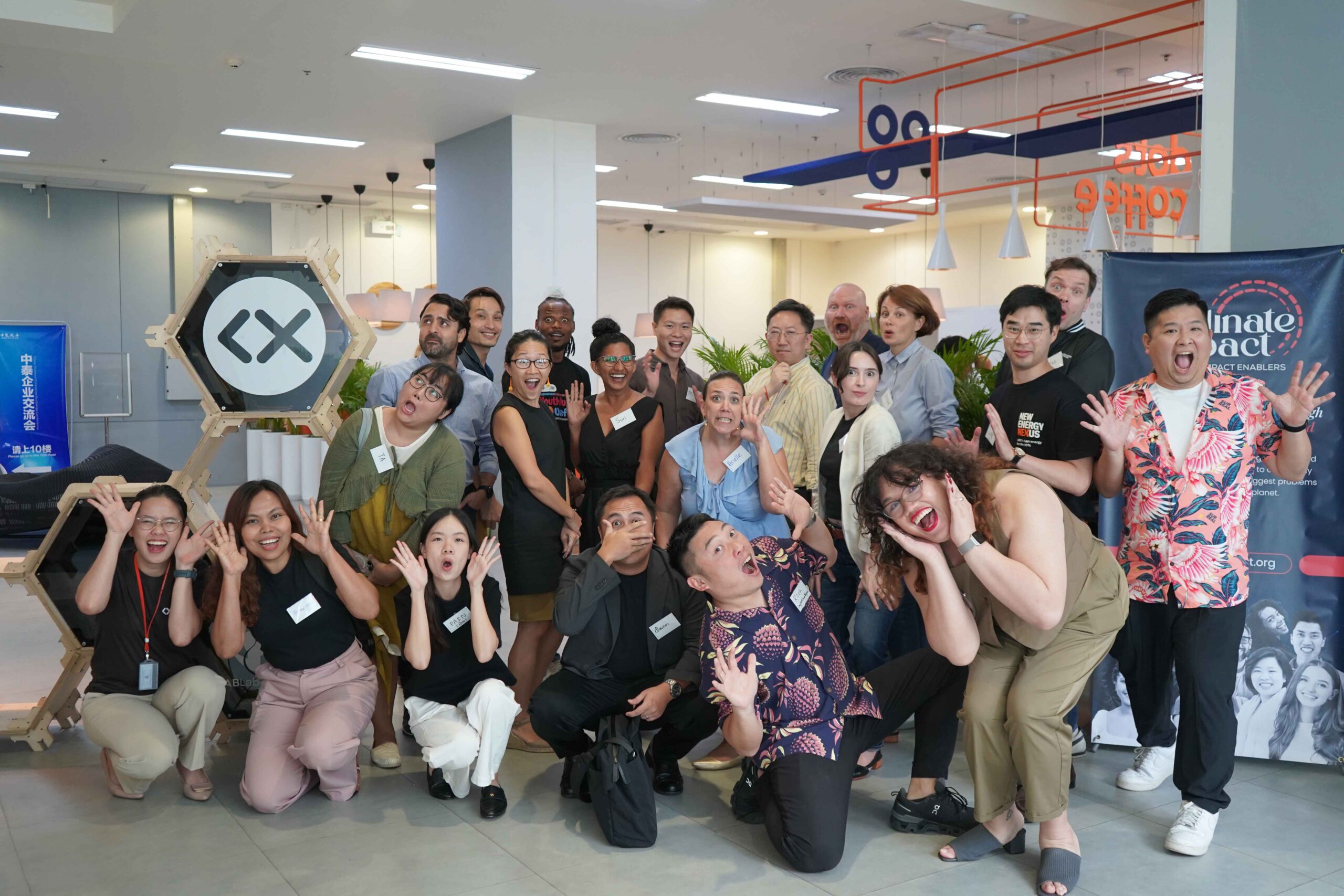
On the sidelines of the conference, Pollinate Impact along with KX, decided to host another edition of our Peer-Powered Workshop for impact incubators'Incubator' refers to any organization whose programs primarily focus on vetting and selecting, promising social enterprises, and providing them with a comprehensive range of support services aimed at building and growing them to achieve maximum sustainable impact. in Bangkok.
It was a wonderful mixture of local incubators'Incubator' refers to any organization whose programs primarily focus on vetting and selecting, promising social enterprises, and providing them with a comprehensive range of support services aimed at building and growing them to achieve maximum sustainable impact. and accelerators, as well as international ones who happened to be in town for the ANDE Global conference. As with all our peer-powered workshops, we leaned into our community and the participants to surface solutions and to share their practical experiences.
When we collectively mapped out our challenges as incubators'Incubator' refers to any organization whose programs primarily focus on vetting and selecting, promising social enterprises, and providing them with a comprehensive range of support services aimed at building and growing them to achieve maximum sustainable impact., the same challenges we’ve been seeing again and again, across the Global South, reared their ugly heads.
And, as always, the challenge of sustainability strategies for incubators'Incubator' refers to any organization whose programs primarily focus on vetting and selecting, promising social enterprises, and providing them with a comprehensive range of support services aimed at building and growing them to achieve maximum sustainable impact. came out on top – with an overwhelming number of participants indicating that as a major challenge area.
Other major challenges included …
- Investor relations and securing follow-on funding for entrepreneurs,
- Lack of collaboration in the industry,
- Talent for incubation,
- Enterprise alumni engagement, screening, selection, and mentor engagement.
Common Challenges Mapped out by Incubators
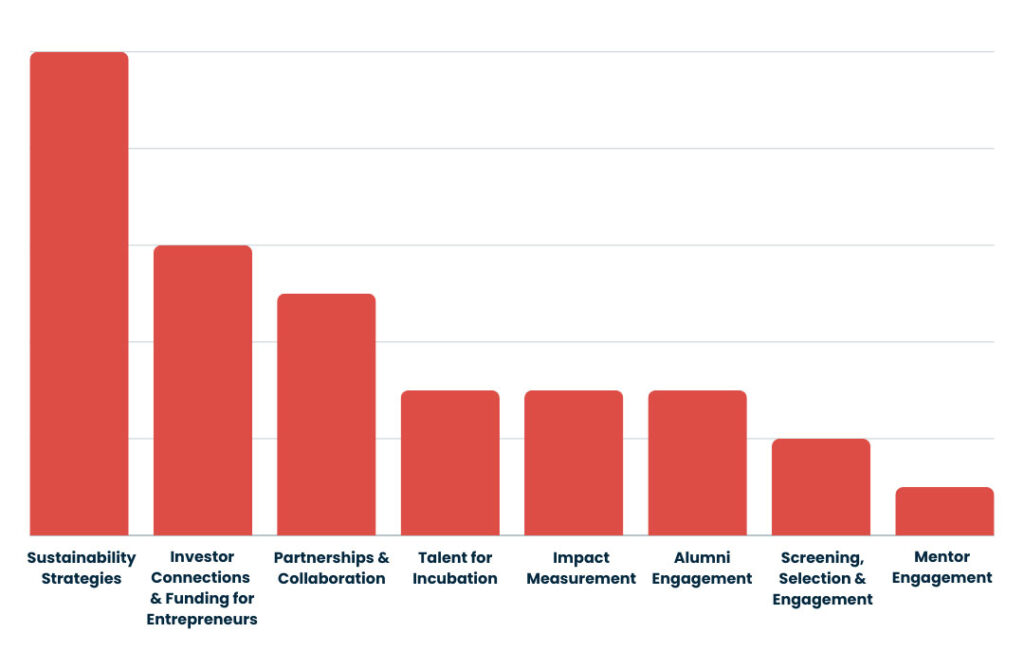
The participants voted on the areas they wanted to dig deeper on. They voted for 1) partnerships and collaboration and 2) sustainability strategies.
All the incubator'Incubator' refers to any organization whose programs primarily focus on vetting and selecting, promising social enterprises, and providing them with a comprehensive range of support services aimed at building and growing them to achieve maximum sustainable impact. participants contributed to both areas, but my group was focused on partnerships and collaboration.
And because Pollinate Impact, by the definition of its mission, works to be the unified voice of the impact incubator'Incubator' refers to any organization whose programs primarily focus on vetting and selecting, promising social enterprises, and providing them with a comprehensive range of support services aimed at building and growing them to achieve maximum sustainable impact. industry in the Global South – sharing what they came up with so that other impact incubators'Incubator' refers to any organization whose programs primarily focus on vetting and selecting, promising social enterprises, and providing them with a comprehensive range of support services aimed at building and growing them to achieve maximum sustainable impact. and accelerators may learn from their collective experiences, is what we do!
Partnerships & Collaboration
The Challenge
We all recognize that working in silos is ineffective and that we could be more powerful as an industry, in a collective effort, but oftentimes we experience more competition between incubators'Incubator' refers to any organization whose programs primarily focus on vetting and selecting, promising social enterprises, and providing them with a comprehensive range of support services aimed at building and growing them to achieve maximum sustainable impact. than collaboration.
There is also lack of awareness about who is doing what in the industry, compounded with parts of the industry being crowded with incubators'Incubator' refers to any organization whose programs primarily focus on vetting and selecting, promising social enterprises, and providing them with a comprehensive range of support services aimed at building and growing them to achieve maximum sustainable impact..
On the same hand, gaps in the market do exist, and if we had a concerted effort to focus on those gaps, we would experience less competition.
Information asymmetry is exacerbated with the fact that the time and effort required to establish and maintain partnerships are also in short supply.
Our participants highlighted the fact that as resource-constrained organizations, the human capital required is significant. Partnerships are often ad-hoc, difficult to maintain, or are dependent on a single person, which is not sustainable if that person leaves the organization.
Last, but not least, the soft skills required for establishing effective collaboration are often in short supply.
What I love about these gatherings, is how much they verify the findings we are hearing in every meeting, regardless of geography or incubator-type. Our Collaborative Learning Document not only highlights these exact findings, but also supports what the incubators'Incubator' refers to any organization whose programs primarily focus on vetting and selecting, promising social enterprises, and providing them with a comprehensive range of support services aimed at building and growing them to achieve maximum sustainable impact. in Bangkok were sharing.
As you get started on a partnership, embrace serendipity and the unknowns that might emerge.
There is often a strong sense of competition amongst incubators'Incubator' refers to any organization whose programs primarily focus on vetting and selecting, promising social enterprises, and providing them with a comprehensive range of support services aimed at building and growing them to achieve maximum sustainable impact. and accelerators (usually attributed to funding), rather than genuine collaboration. But if collaboration amongst incubators'Incubator' refers to any organization whose programs primarily focus on vetting and selecting, promising social enterprises, and providing them with a comprehensive range of support services aimed at building and growing them to achieve maximum sustainable impact. was achieved, how quickly could these challenges be addressed?
Further, the startups these incubators'Incubator' refers to any organization whose programs primarily focus on vetting and selecting, promising social enterprises, and providing them with a comprehensive range of support services aimed at building and growing them to achieve maximum sustainable impact. support are moving fast – building businesses and pivoting rapidly – but partnerships to support them often move at snail’s pace. This is often due to hierarchical bottlenecks and not being able to get in touch, at the right time, because they often don’t know the right person at the organization.
Lastly, our incubators'Incubator' refers to any organization whose programs primarily focus on vetting and selecting, promising social enterprises, and providing them with a comprehensive range of support services aimed at building and growing them to achieve maximum sustainable impact. felt that they don’t have the right reputational pull, and need big names to attract other partnerships. Without the initial early adopter to provide legitimacy, follow on partnerships are difficult to secure.
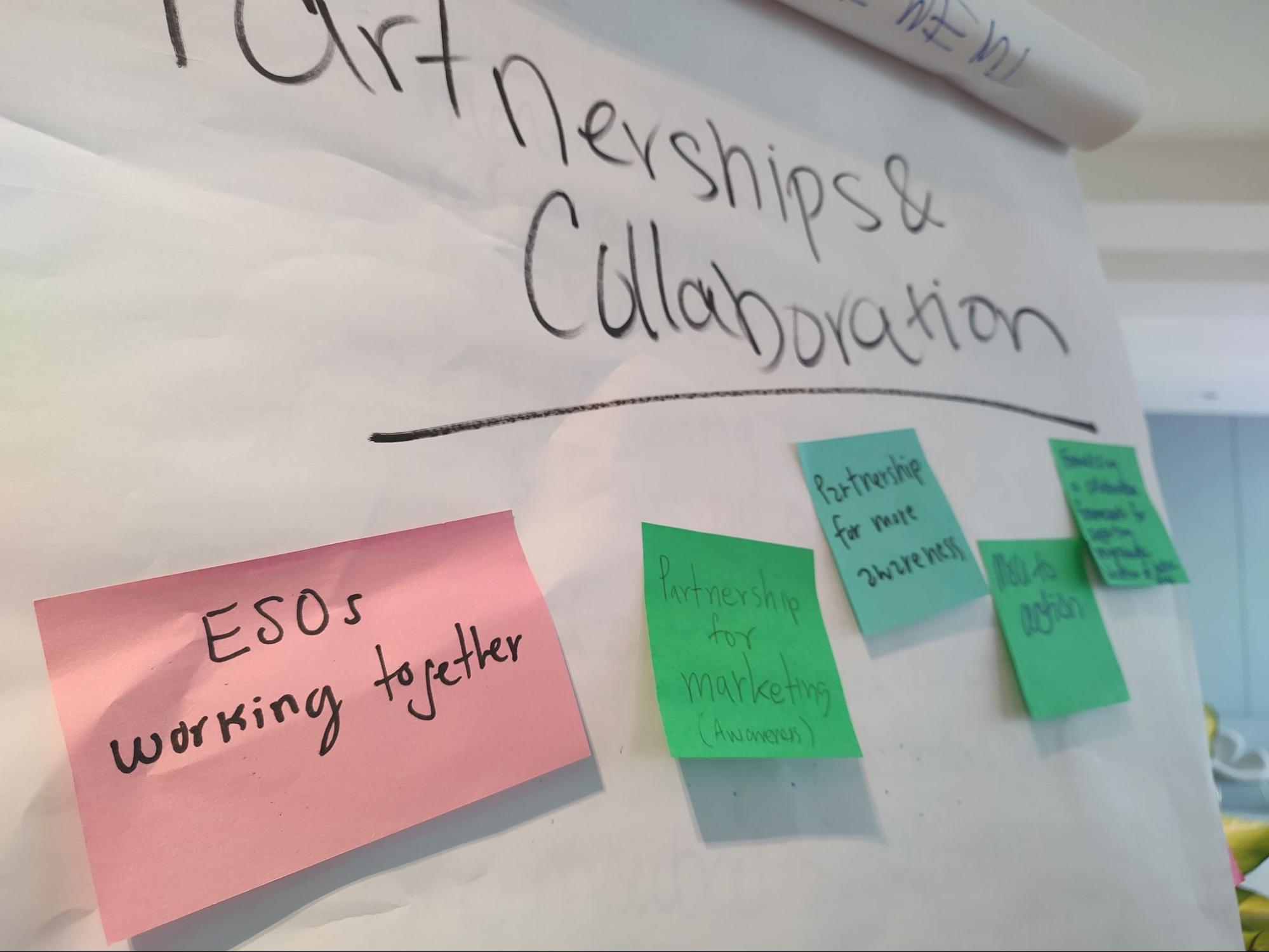
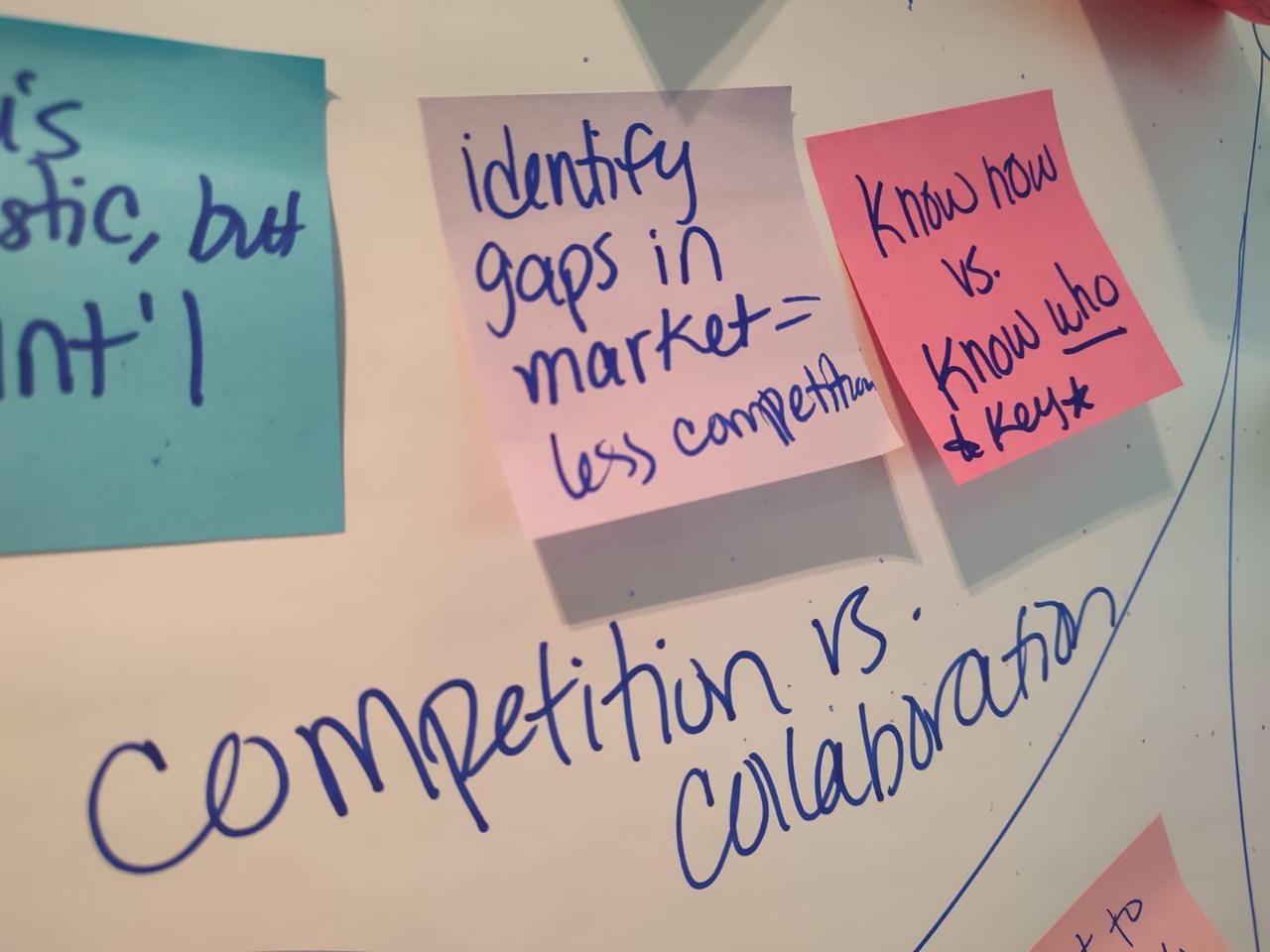
Would partnerships help with these problems?
We believe so! And so did the incubators'Incubator' refers to any organization whose programs primarily focus on vetting and selecting, promising social enterprises, and providing them with a comprehensive range of support services aimed at building and growing them to achieve maximum sustainable impact. who drove the conversation!
The Opportunity
If there are so many struggles to establish successful partnerships and collaborations, you’re probably wondering, “Why bother?!”
Because incubator'Incubator' refers to any organization whose programs primarily focus on vetting and selecting, promising social enterprises, and providing them with a comprehensive range of support services aimed at building and growing them to achieve maximum sustainable impact. professionals like to solve problems.
Here is the value our incubators'Incubator' refers to any organization whose programs primarily focus on vetting and selecting, promising social enterprises, and providing them with a comprehensive range of support services aimed at building and growing them to achieve maximum sustainable impact. see in having the following types of partnerships:
International Partnerships
- Can act as mentors to their entrepreneurs
- Incubators'Incubator' refers to any organization whose programs primarily focus on vetting and selecting, promising social enterprises, and providing them with a comprehensive range of support services aimed at building and growing them to achieve maximum sustainable impact. can refer and graduate their entrepreneurs to international support programs or global incubators'Incubator' refers to any organization whose programs primarily focus on vetting and selecting, promising social enterprises, and providing them with a comprehensive range of support services aimed at building and growing them to achieve maximum sustainable impact.
- Incubators'Incubator' refers to any organization whose programs primarily focus on vetting and selecting, promising social enterprises, and providing them with a comprehensive range of support services aimed at building and growing them to achieve maximum sustainable impact. want to be able to co-create programs with international partners to help them contextualize the content and reach local entrepreneurs, ensuring equal opportunity to access programs and leaving no entrepreneur behind
Pipeline for Recruitment
- An established graduation from one incubator'Incubator' refers to any organization whose programs primarily focus on vetting and selecting, promising social enterprises, and providing them with a comprehensive range of support services aimed at building and growing them to achieve maximum sustainable impact. to the next can be incredibly helpful for entrepreneurs and help us utilize resources more effectively.
- Incubators'Incubator' refers to any organization whose programs primarily focus on vetting and selecting, promising social enterprises, and providing them with a comprehensive range of support services aimed at building and growing them to achieve maximum sustainable impact. simultaneously want to receive pipeline from pre-incubation support providers (or other early stage incubators'Incubator' refers to any organization whose programs primarily focus on vetting and selecting, promising social enterprises, and providing them with a comprehensive range of support services aimed at building and growing them to achieve maximum sustainable impact.), and want to provide pipeline to impact investors (or later stage incubators'Incubator' refers to any organization whose programs primarily focus on vetting and selecting, promising social enterprises, and providing them with a comprehensive range of support services aimed at building and growing them to achieve maximum sustainable impact.).
Corporate Partners
- Corporate partners offer the potential to pick up white labeled incubation services to their constituents, offering a much needed additional revenue stream for incubators'Incubator' refers to any organization whose programs primarily focus on vetting and selecting, promising social enterprises, and providing them with a comprehensive range of support services aimed at building and growing them to achieve maximum sustainable impact..
Media Partners
- Media partners can offer exposure to build awareness about the incubators'Incubator' refers to any organization whose programs primarily focus on vetting and selecting, promising social enterprises, and providing them with a comprehensive range of support services aimed at building and growing them to achieve maximum sustainable impact. work, and can build their reputation in the market.
I’m sure there are many other types of partnerships that could be explored, however, this was a Rapid Fire solutioning session – we had 10 minutes to come up with the above referenced list!
With all these potential benefits, it’s obvious why incubators'Incubator' refers to any organization whose programs primarily focus on vetting and selecting, promising social enterprises, and providing them with a comprehensive range of support services aimed at building and growing them to achieve maximum sustainable impact. want to do this better…but how?
Don’t fret, this group of awesome incubators'Incubator' refers to any organization whose programs primarily focus on vetting and selecting, promising social enterprises, and providing them with a comprehensive range of support services aimed at building and growing them to achieve maximum sustainable impact. broke it down:
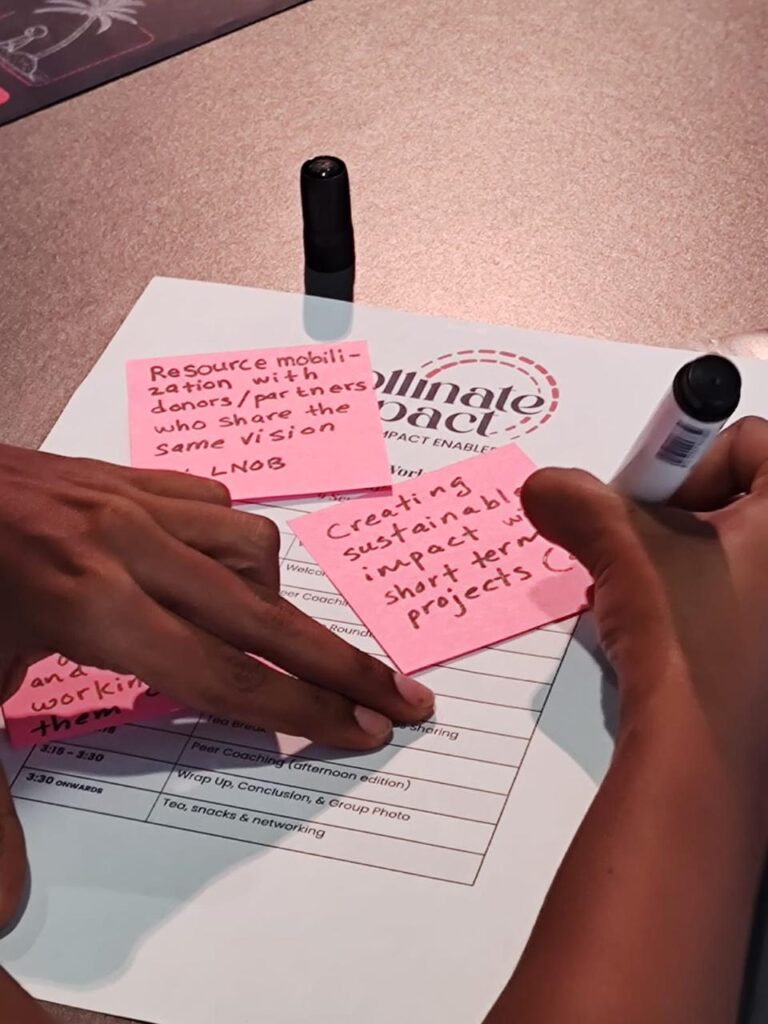
How
We start by being real, which may sound obvious, but more than often it’s not.
The advice our incubators'Incubator' refers to any organization whose programs primarily focus on vetting and selecting, promising social enterprises, and providing them with a comprehensive range of support services aimed at building and growing them to achieve maximum sustainable impact. gave was to be human and be real, not to be transactional.
In order for partnerships to be built effectively, mindsets need to shift from me to we and the need to recognize the benefits of paying it forward.
Our incubators'Incubator' refers to any organization whose programs primarily focus on vetting and selecting, promising social enterprises, and providing them with a comprehensive range of support services aimed at building and growing them to achieve maximum sustainable impact. also placed significant emphasis on the importance of having empathy and a strong recognition that life experiences, exposure to different worldviews, and open-mindedness are critical elements for being able to establish and build effective partnerships.
Being thoughtful – like remembering birthdays, or someone’s pet’s name – is a great way to build relationships and trust.
However, this needs to be backed up by a CRM or other system to be able to track information and conversations at an organizational level.
Another key part of institutionalizing partnerships is to build capacity within the team to help build and maintain partnerships. It may seem like a no-win situation to try and extend bandwidth across your team precisely because teams are already small, capacity is limited, and when someone leaves the team they most often take their relationships with them. However, without working towards building your team’s capacity for partnerships, your organization will never be able to develop the reach and reputation many incubators'Incubator' refers to any organization whose programs primarily focus on vetting and selecting, promising social enterprises, and providing them with a comprehensive range of support services aimed at building and growing them to achieve maximum sustainable impact. yearn for.
Who
Let’s not sugar coat it – finding the right partners with the interest, timing, and resources to be collaborative is really tough!
So how do you find them?
Our incubators'Incubator' refers to any organization whose programs primarily focus on vetting and selecting, promising social enterprises, and providing them with a comprehensive range of support services aimed at building and growing them to achieve maximum sustainable impact. emphasized the importance of building social capital to meet potential partners. You can do this by being present at events and be intentional about it by setting targets of who and how many people you want to meet. You can also host your own events to bring people together, which can be easy for incubators'Incubator' refers to any organization whose programs primarily focus on vetting and selecting, promising social enterprises, and providing them with a comprehensive range of support services aimed at building and growing them to achieve maximum sustainable impact. that have their own event space.
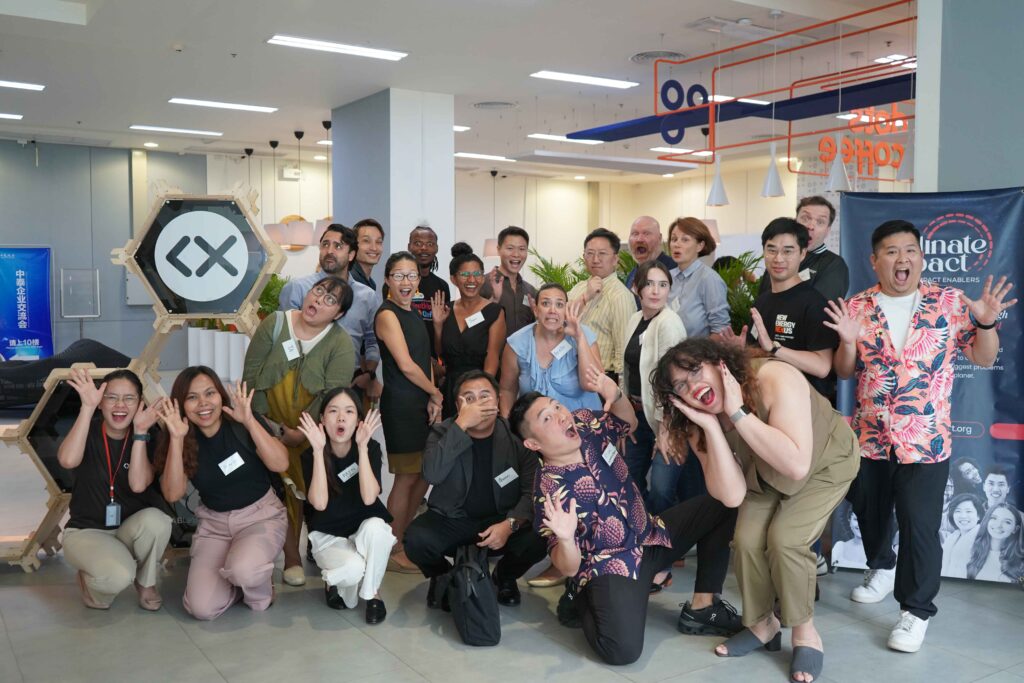
We saw this intentionality first-hand at Pollinate Impact’s first in-person incubator'Incubator' refers to any organization whose programs primarily focus on vetting and selecting, promising social enterprises, and providing them with a comprehensive range of support services aimed at building and growing them to achieve maximum sustainable impact. meet-up, Pollinate Pulse. Impact incubators'Incubator' refers to any organization whose programs primarily focus on vetting and selecting, promising social enterprises, and providing them with a comprehensive range of support services aimed at building and growing them to achieve maximum sustainable impact. in Kenya came together at our host-sponsor, Impact Hub Nairobi. Some of these incubators'Incubator' refers to any organization whose programs primarily focus on vetting and selecting, promising social enterprises, and providing them with a comprehensive range of support services aimed at building and growing them to achieve maximum sustainable impact. had never met. Some realized, for the first time, that there were synergies between their organizations.
We mentioned building capacities of the team above, and it’s not to be underestimated!
Our incubators'Incubator' refers to any organization whose programs primarily focus on vetting and selecting, promising social enterprises, and providing them with a comprehensive range of support services aimed at building and growing them to achieve maximum sustainable impact. advised that it’s very important to clearly articulate your brand, what you stand for, and your elevator pitch to enable more team members to effectively present themselves and the organization at events.
Last, but certainly not least, don’t forget the partners that you already know. You can deepen the trust that you’ve already gained with existing partners to explore new opportunities. Their word of mouth referrals are like gold!
What
Self-realization of what your organization wants is one of the most important steps, and being transparent about it.
You need to get what you want and the other party has to get what they want out of a partnership, otherwise it’s not true collaboration.
As you get started on a partnership, embrace serendipity and the unknowns that might emerge. Start small by piloting and testing what works, before you invest significant time and resources into a collaborative project.
It’s important to test the waters before going all in!
A Strategy for Collaboration
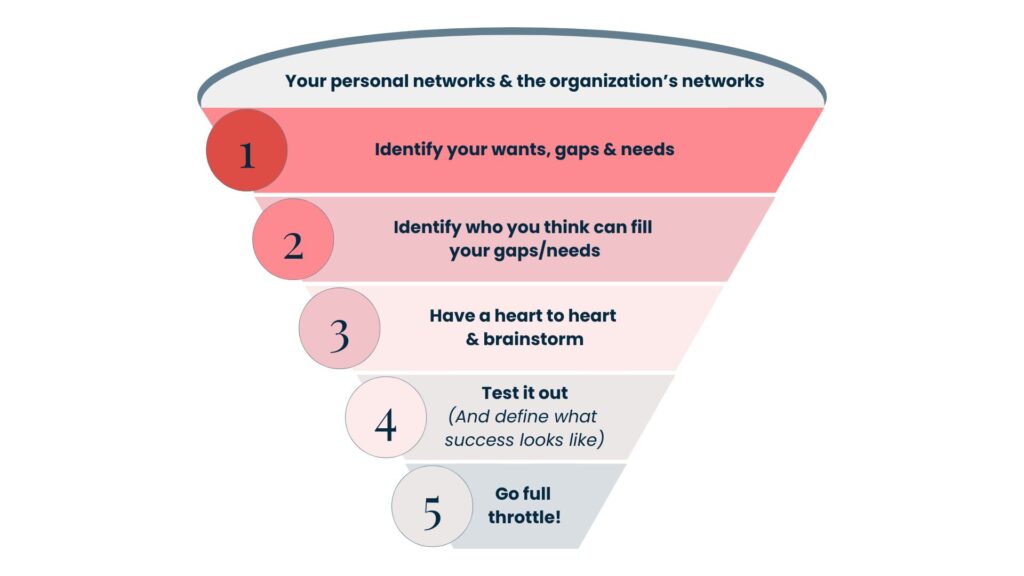
As our incubators'Incubator' refers to any organization whose programs primarily focus on vetting and selecting, promising social enterprises, and providing them with a comprehensive range of support services aimed at building and growing them to achieve maximum sustainable impact. were discussing all the possibilities that partnerships and collaboration have to offer, they came up with the following funnel strategy:
Step 1:
Identify where you need help.
Most likely you’re looking for a partner to compliment a skill set that you’re missing or an expertise that you may not have in house. Be clear with yourself first about what is the gap you want to fill.
Step 2:
From your existing network of people and organizations with whom you already have a relationship, identify who you think has that complementarity for which you are seeking.
Ideally, this is someone who already knows you and your work, not a cold call. This is why it’s important to continually fill the funnel with new potential partners over time. Don’t wait until you need them to reach out to them.
Step 3:
Have a heart to heart with the potential partner.
Honesty and transparency are key here to explain what gap you have, why you think this partner is a good potential fit, and why you want to work with them. You can brainstorm with them as to what the collaboration could look like through some blue-sky thinking!
Step 4:
Test it out with a pilot to see if your idea works.
It’s really important to set targets here, so everyone involved knows whether the test has been successful or not. These could be outputs for the pilot, as well as how well the team works together.
Step 5:
If your pilot proves successful, go full throttle by scaling it up with a full fledged program or partnership.
So there you have it! A roadmap for incubation partnerships and collaborations. We know it’s easier said than done, and that spending the time to build and maintain partnerships is a resource that many of us don’t have. However, the long-term effects of collaboration rather than competition in the impact incubation industry can be transformational.
When our industry comes together, we can affect significant change. These solutions, as well as the many others we’ve identified in our Collaborative Learning Document, are just a few examples. Further, our Tool Library, which is a compilation of resources from the Pollinate Impact member network to assist impact incubators'Incubator' refers to any organization whose programs primarily focus on vetting and selecting, promising social enterprises, and providing them with a comprehensive range of support services aimed at building and growing them to achieve maximum sustainable impact. in removing the silos of finding solutions.
Are you an impact incubator'Incubator' refers to any organization whose programs primarily focus on vetting and selecting, promising social enterprises, and providing them with a comprehensive range of support services aimed at building and growing them to achieve maximum sustainable impact. or someone who funds impact incubation? If so, what other solutions would you offer up? Do you have inspiring stories of collaboration that you’d like to share?
Speaking of which – if you haven’t already heard – Pollinate Impact is hosting its Pollinate Potluck in Bangalore, India from December 4-6, 2024. The Potluck is a unique approach to convening members of this industry to not only help shape the future of your organization, but the future of impact incubation. You will experience case study simulations, interactive solutioning, design ‘sprinting’ sessions, ecosystem immersion visits and roadmapping collective action. Join us!

Arielle Molino
Arielle Molino is the Chief Convener of Pollinate Impact. She has 15 years of experience in impact investing, social entrepreneurship, and non-profit sectors in Africa, India, and the United States.