
Rethinking Alumni Engagement in ESOs
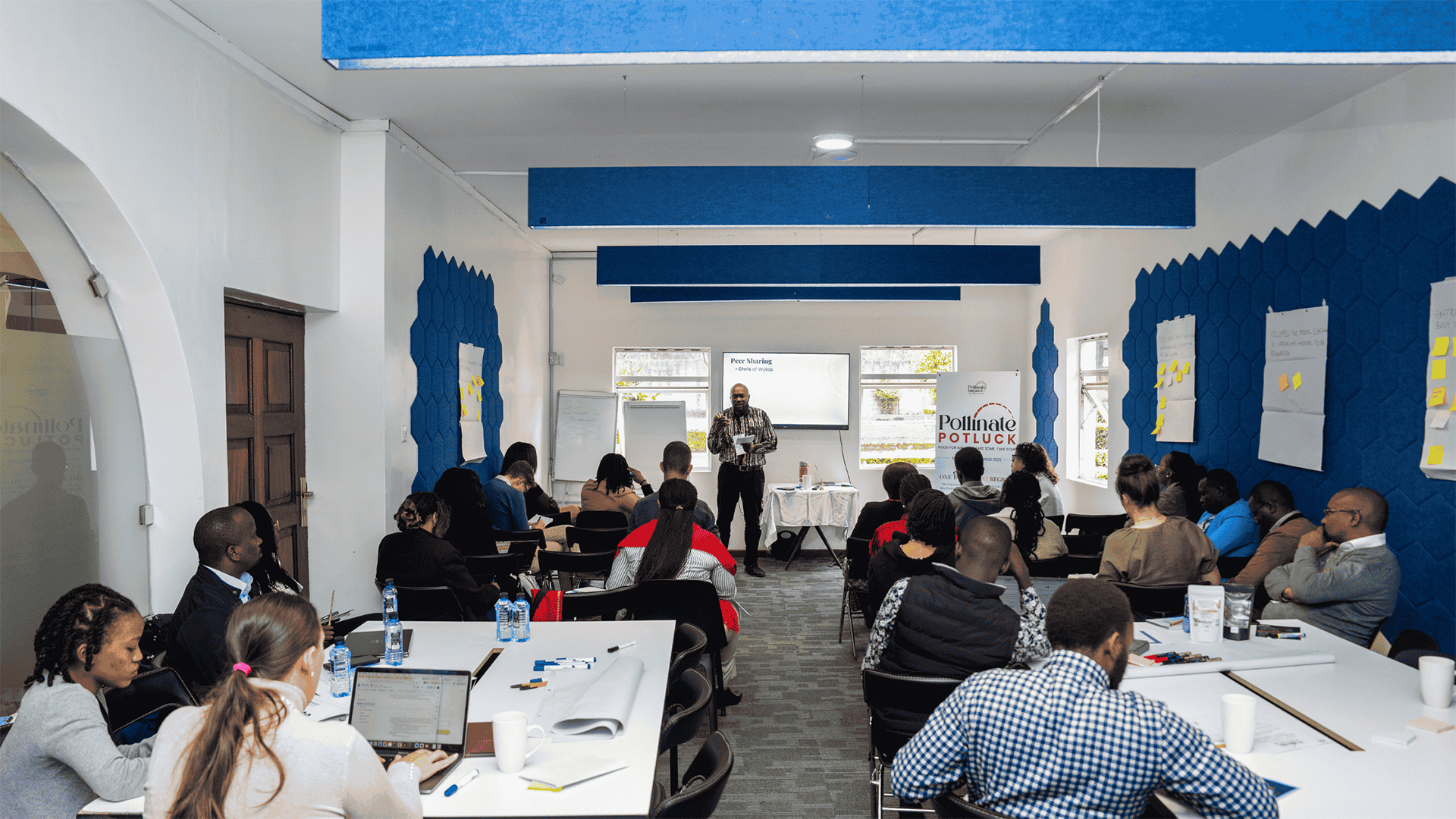
By Chris Odongo, CEO – WYLDE International Ltd
As Entrepreneur Support Organizations (ESOs), we’re all in the business of empowering businesses. We train, we coach, we guide – and then, often, we lose touch with those entrepreneurs we nurtured so closely. The programmes end. The reports are written. The funders are satisfied. But what about the entrepreneurs?
At WYLDE International, we’ve been asking ourselves difficult questions about alumni engagement – and more importantly, what it ought to mean for us and the entrepreneurs we serve.
We’ve had the opportunity to run programmes across Kenya, Uganda, Rwanda, and beyond – some under our brand, others in partnership with donors or fellow ESOs. When it’s “our” program, we have the leeway to build lasting relationships with alumni. When it’s someone else’s programme, that line gets blurry. You can’t assume access just because you facilitated a workshop. That entrepreneur doesn’t necessarily belong to you.
So the question becomes:
What are we really trying to do when we say ‘alumni engagement’?
Start with the Entrepreneur, Not the Event
Like most strategies at WYLDE, our thinking is guided by the principle of jobs to be done:
What is the entrepreneur trying to achieve when they come back to engage with us – not what are we trying to push out?
We’ve identified five primary motivations:
- Leads and Networking – For many, this is the number one reason they come back. If there are no business opportunities in sight, some simply don’t see the point.
- Knowledge and Professional Growth – A segment returns for knowledge, exposure, and insight – often turning up for our monthly SNDBX Baraza networking events or regular industry webinars.
- Emotional Connection – A rare few show up because of a deep bond with our brand and the sense of belonging built in cohorts they participated in.
- Peer Support – Entrepreneurs say it’s lonely and tough to build a business. But even when we put them in groups or circles, they don’t always engage. This is a paradox we haven’t yet fully solved. The light we have seen is an active community manager is needed to keep the conversations going with relevant, insightful and inspiring topics for conversations.
- Access to Resources or Experts – Our SNDBX model, which links SMEs to vetted experts, has proven highly effective. Entrepreneurs value trust and curated referrals that can solve their problems quickly.
What’s been clear through all of this is: alumni engagement only works when it’s about them – not us.
What’s Working for Us
We’ve tried, failed, adapted, and tried again. Here’s what has stuck:
- Tailored Support – Especially for growth-stage businesses that can pay. Profiling, diagnosing, and matching support yields stronger outcomes.
- Annual Check-In Calls – These have become a cornerstone. We ask simple but powerful questions: How is the business doing? What’s changed? What do you need now? Many alumni are surprised we even called.
- Charging for Value – Some of our events are paid. Webinars sometimes have sponsors. Post-programme consulting is monetized. That’s how we convert free programmes into revenue streams.
- Scalable Systems – Junior staff now make follow-up calls using calling scripts. We don’t wait for the founder or senior consultant to do it all. It works.
- Track and Convert – If 20 people attend a donor-funded programme, we ask: how many did we convert to paying clients? That’s not just impact – that’s sustainability.
What We’ve Learned
- Keep iterating – There’s no one-size-fits-all model.
- Don’t outsource relationships – Consultants can facilitate, but they can’t build bonds. That’s our job.
- Systems beat spontaneity – A good calling script can make an intern more effective than a distracted executive.
- If you can’t see the business model in your alumni engagement strategy, you won’t prioritize it – Catherine (a fellow ESO leader) was right: ESOs must ask themselves how their services link to revenue. Otherwise, engagement becomes an expense.
A Call to Fellow ESOs
We often focus on programme design, funding cycles, and donor satisfaction. But in doing so, we forget that our greatest asset is not the programme itself – it’s the relationship with the entrepreneur. Alumni engagement is not a communications strategy. It’s not an event calendar. It’s a value proposition.
Let’s reframe our thinking. Let’s build communities, not just cohorts. Let’s stop “owning” entrepreneurs and start serving them where they are. And let’s not be afraid to ask the tough question: what’s in it for them – and what’s in it for us?
Because if we get that right, we won’t just run good programmes. We’ll build lasting, thriving entrepreneurial ecosystems.
Speaking of getting it right, one of the ways members of the Pollinate Impact network are working toward [getting it right] is through the Growth Guidance Programme. This personalized, one-on-one approach for incubator'Incubator' refers to any organization whose programs primarily focus on vetting and selecting, promising social enterprises, and providing them with a comprehensive range of support services aimed at building and growing them to achieve maximum sustainable impact. leaders has helped address challenges such as alumni engagement. And if you want to learn more about best practices, including alumni engagement, you should check out Pollinate Impact’s Peer Powered Workshop in Mumbai.


