As someone who participated in Pollinate Impact’s co-design process, Arun Venkatesan gives us a behind the scenes look into the co-creation of this network and shares some of the insights he gained on the ecosystem during this process.
Arun, as a key member of the team that facilitated this network’s design process, could you give us a behind-the-scenes look into Pollinate Impact’s creation?
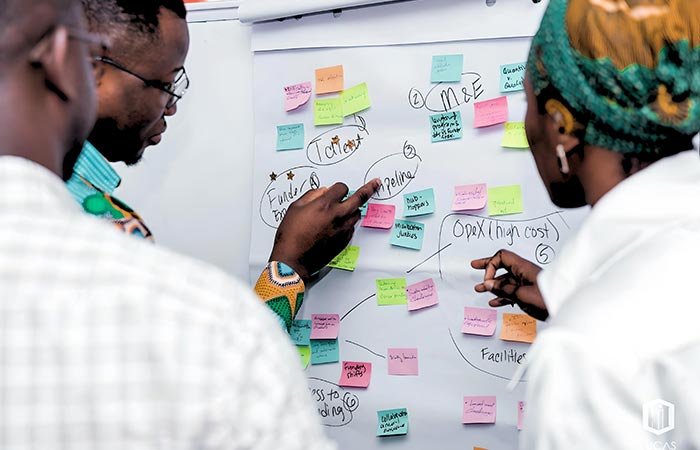
It all started with a synthesis of the articulated and unarticulated needs of our training alumni and some key stakeholders. It was clear that while we were trying to scale impact using our strengths, a contextualized and largely participatory approach was important. This led to changing our DNA from one of an entrepreneurial organization to a ‘network emergence facilitator’. The facilitation team had many learning circles to understand and inculcate the network building mindset, stakeholder mapping and engagement efforts…
What were the most challenging aspects of designing this network?
Shifting from an entrepreneurial driving mindset to an engaging inclusive emergence mindset
As several stakeholders from the incubation ecosystem participated in Pollinate Impact’s design process, could you share some of the insights you gained on the ecosystem in this process?
- Resonance across the board with the need for a impact-incubator focused network
- Nuances of support for impact incubators'Incubator' refers to any organization whose programs primarily focus on vetting and selecting, promising social enterprises, and providing them with a comprehensive range of support services aimed at building and growing them to achieve maximum sustainable impact. such as multi-year operational funding, funding as a means of visibility and credibility.
- The need for a virtuous cycle of talent attraction and retention in the impact sector
- The need to correctively evolve both external-facing and internally-informing indicators of incubator'Incubator' refers to any organization whose programs primarily focus on vetting and selecting, promising social enterprises, and providing them with a comprehensive range of support services aimed at building and growing them to achieve maximum sustainable impact. performance
- The need for evolving the impact incubation ‘industry’ from its currently fragmented state to a highly integrated and mature one.
How is this network unique from the other networks in the impact ecosystem?
Pollinate Impact is focused on value delivery to impact incubators'Incubator' refers to any organization whose programs primarily focus on vetting and selecting, promising social enterprises, and providing them with a comprehensive range of support services aimed at building and growing them to achieve maximum sustainable impact. in the global south, but also recognizes the global ecosystem it needs to exist in and serve. Hence it has its operational ‘frame’ as the entire interconnected global incubation ecosystem. This balance of focus and frame predisposes Pollinate to be a highly collaborative network.

Arun Venkatesan
Arun Venkatesan helps businesses develop creative solutions that deliver value to their customers, implement them sustainably and at scale, while balancing impact to the enterprise as well as society. As Co-founder and CEO at Villgro USA, Arun conceived, designed, and executed a strategic rehash to build a global network of impact incubators'Incubator' refers to any organization whose programs primarily focus on vetting and selecting, promising social enterprises, and providing them with a comprehensive range of support services aimed at building and growing them to achieve maximum sustainable impact., offering strategic guidance to over 40 organizations globally, across Africa, South Asia, and S E Asia. Arun has been actively engaging with the global innovation ecosystem as part of many award juries, mentorship programs, innovation audits and contributing to knowledge artifacts with multiple partners, to continue his passion of delivering impact through innovation.